
Beyond the Title Deed: Uncovering the Field Realities of Women’s Land Rights in Punjab
In rural Pakistan, the agricultural economy is structurally dependent on female labor, with roughly 70% of working women engaged in farming. Despite this immense contribution, a stark disconnect exists regarding formal asset ownership: historically, merely 2% of women own the land they cultivate. Recognizing the severe limitations this places on female economic autonomy, the Government of Punjab, in collaboration with the World Bank, executed the Land Records Management and Information System (LRMIS) program. This ambitious governance reform shifted millions of paper-based agricultural records—historically managed by local patwaris with high discretionary power—to a centralized, biometrically verified digital database.
Recently, the International Growth Centre (IGC) published a landmark policy brief examining the multi-dimensional impacts of this digitization on women’s socio-economic realities. Grounded in a commitment to operational mastery and strategic intelligence, Versatile Consultants is immensely proud to have led the rigorous field data collection operations that fuel this critical study. By bridging the gap between high-level policy initiatives and localized realities, our team ensured that the empirical foundation of this research met the highest international standards.
For a comprehensive review of the study’s complete findings and policy recommendations, we invite you to read the full brief on the IGC website: Strengthening women’s property rights in Pakistan brings opportunities – and new challenges.
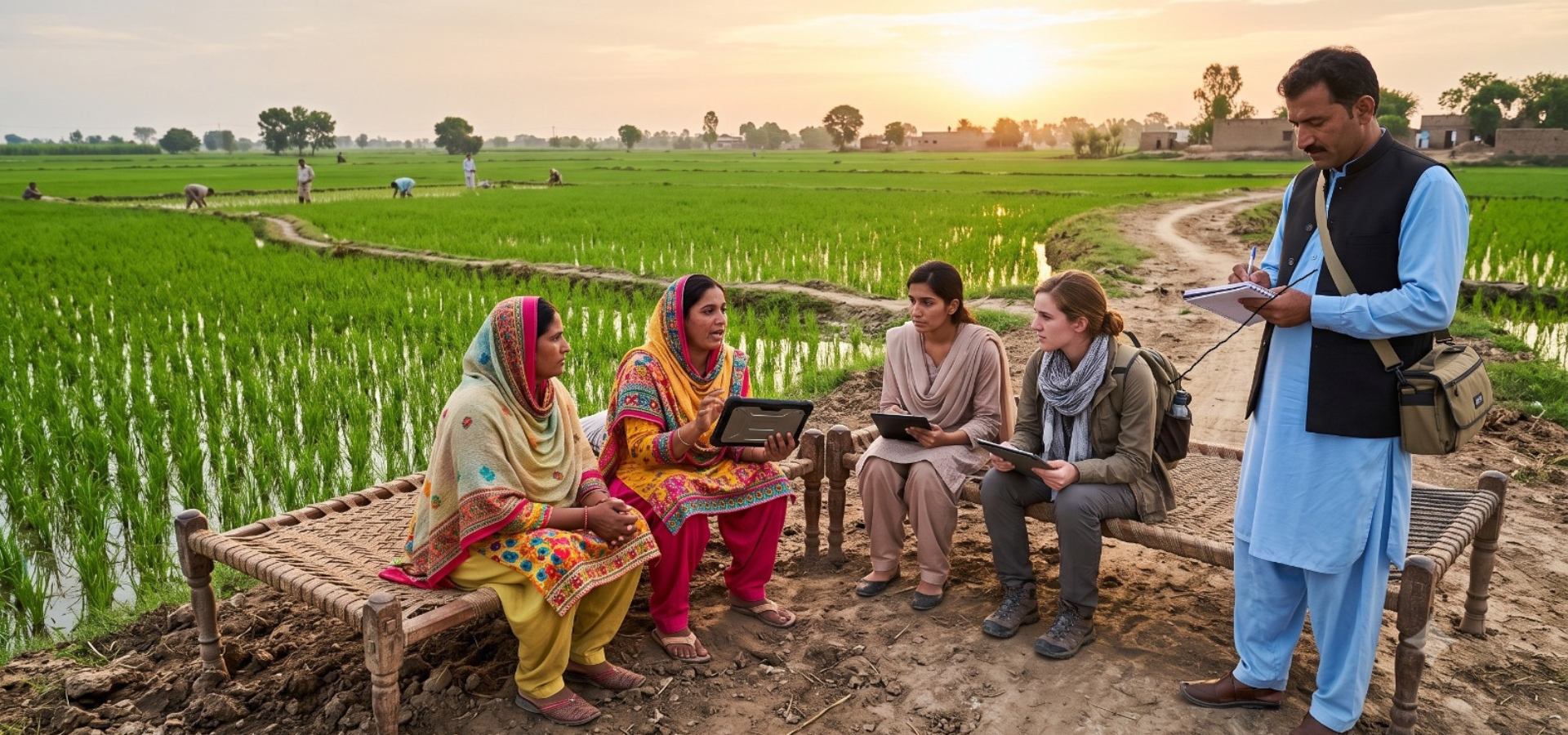
Evaluating a structural reform of LRMIS’s magnitude requires looking far beyond administrative dashboards. A policy might succeed on paper while triggering complex, unforeseen behavioral shifts within households. Our field execution strategy focused on cross-referencing digitized land mutations with localized demographic realities.
By strategically leveraging data from the Punjab Commission on the Status of Women (PCSW) survey and the Multiple Indicator Cluster Survey (MICS), alongside ongoing Computer-Assisted Telephone Interviewing (CATI) tracking agricultural households, our teams mapped exact behavioral adjustments across specific sub-districts. The objective was clear: secure high-fidelity data that tracks not just the formal issuance of land titles, but the immediate human reactions regarding inheritance, marriage, and child education.
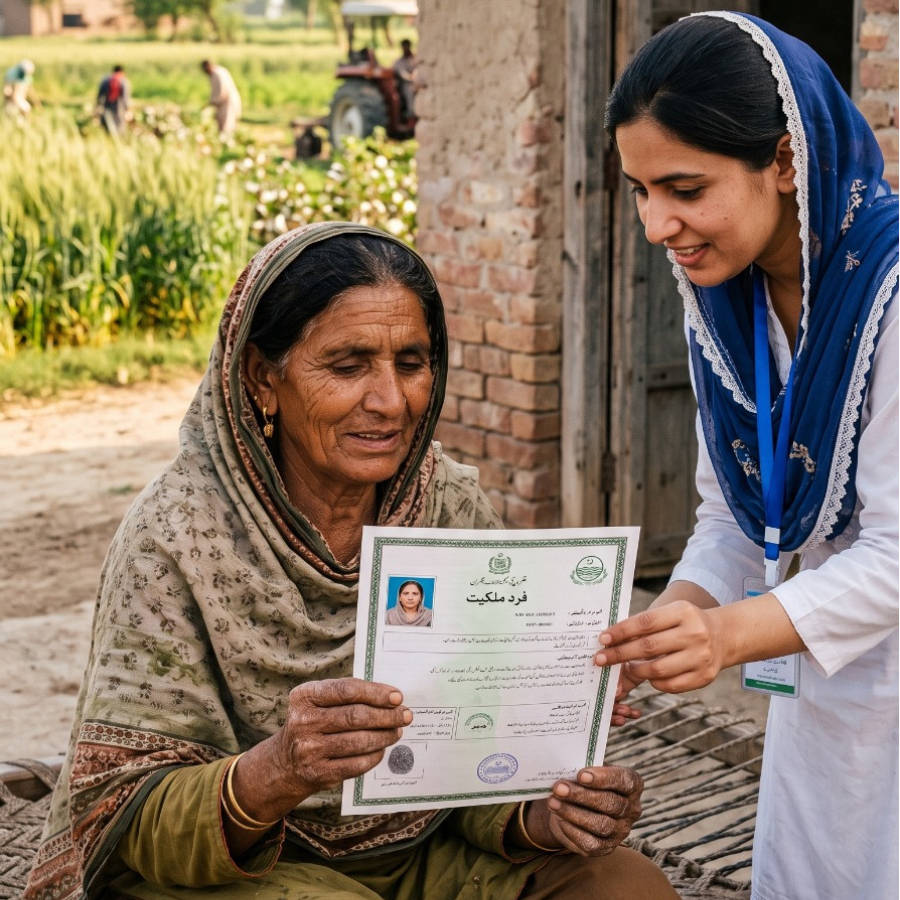
The primary data reveals a substantial institutional victory for gender equity. Stronger, transparent record-keeping directly translated to asset empowerment. The verified data demonstrates that women whose landowning fathers passed away after the LRMIS roll-out were 8.7 percentage points more likely to inherit and retain their property. Against a pre-reform baseline of 12.9%, this represents an explosive increase of over 50%. Biometric verification successfully circumvented the bureaucratic bottlenecks that historically allowed male relatives to sideline female heirs during the mutation process, ensuring that legal rights materialized into actual asset ownership.
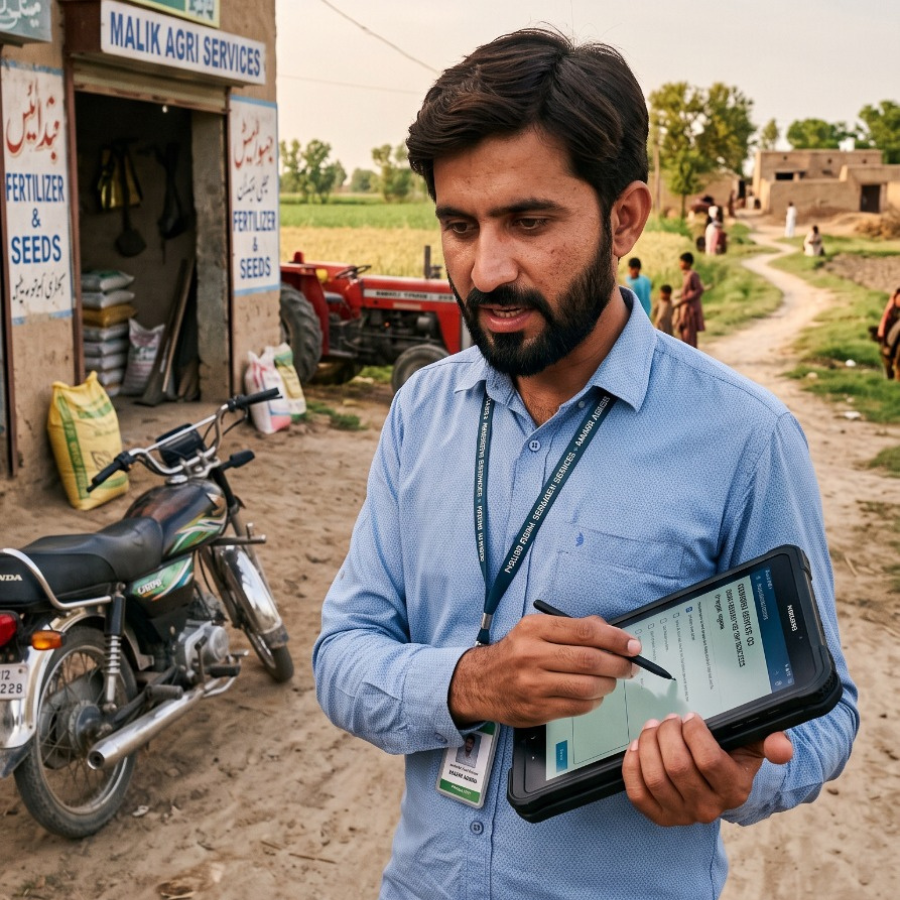
However, the high-fidelity data we collected also exposed the darker, unintended mechanics of policy disruption. When institutional loopholes close, traditional patriarchal structures often adapt through alternative channels to protect consolidated land holdings. Our field monitoring captured several concerning socio-economic trade-offs:
Strategic Early Marriage & Diminished Consent: Women poised to inherit under the new system faced accelerated marriage timelines. By age 18, they were more likely to be married, often without full consent, to spouses who were significantly older or possessed lower earning potential. Families utilized consanguineous marriages (marrying within the extended family) to ensure the newly titled land did not leave the immediate bloodline.
The Education Trade-off: Anticipating future land transfers, some landowning families reduced current investments in their daughters’ human capital, leading to a measurable drop in girls’ school attendance.
CNIC Evasion Tactics: Because the digitized LRMIS infrastructure relies on the Computerised National Identity Card (CNIC) database, we documented a drop in CNIC registration among young women turning 18. Families deliberately kept daughters out of the national registry to exploit a loophole that effectively disinherits them.
The LRMIS digitization proves that administrative modernization is a necessary baseline for gender equality, but it is wholly insufficient in isolation. The field data demands that future property rights reforms be paired with robust, localized safeguarding mechanisms. Moving forward, the focus must shift to complementary measures: conditional cash transfers to keep girls in school, expanded legal aid to protect marital agency, and continuous monitoring of household dynamics.
This vital monitoring trajectory is already continuing. Versatile Consultants is actively coordinating data collection for the ongoing PULSE Impact Evaluation—the Punjab Urban Land Systems Enhancement project—which offers co-owners the opportunity to partition jointly-owned land into individually titled plots. As we track this province-wide reform, our robust M&E loops will be critical in ensuring that gender-targeted outreach translates into genuine, uncompromised equity.
*******Images are created by AI